Enterprise · Communications · Case study
OneXtel
Connecting an industry buyer’s question to the communications tools a team actually uses.
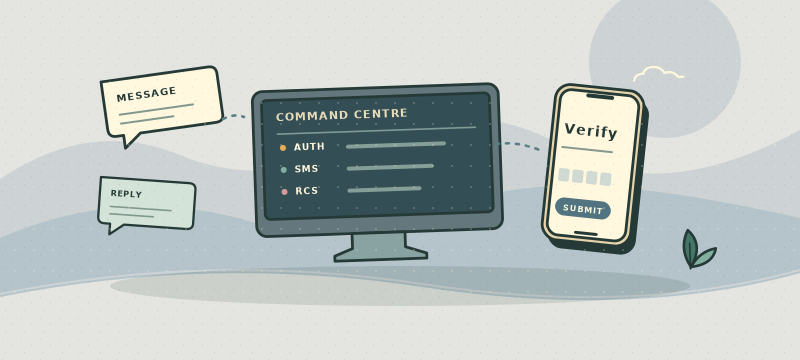
- My role
- Website strategy, content, UX and product architecture.
- Project scope
- Industry-led website, Command Centre, Partner Grid and Digital Journeys.
- Delivery
- Two connected workstreams across the website and CPaaS platform.
APPROACH / Enterprise · Communications
My design process
How I approached the work, from the first question to a concrete design decision.
Separate buyer and operator needs
Distinguish commercial discovery from completing a platform task.
OUTPUTTwo connected workstreamsOrganise the routes
Connect sector narratives with the Command Centre, Partner Grid and Digital Journeys.
OUTPUTProduct architectureDevelop the experience
Translate journeys into wireframes and high-fidelity interfaces.
OUTPUTModule-level designsUnify the patterns
Connect navigation, terminology and states through shared design standards.
OUTPUTReusable platform foundation
A channel name does not explain why a buyer needs it
A list of SMS, WhatsApp and RCS capabilities tells a visitor what exists. It still leaves them to work out which tools suit their industry and who will operate them. The website and product needed different entry points into the same offering.
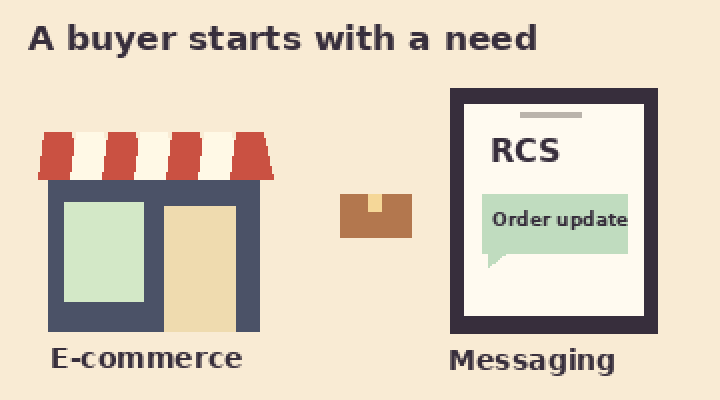
Begin with a sector need. Identify the communication task. Connect the task to the offer.
Start with the market proposition
The website work began with a senior-management kickoff and competitor research. I organised the proposition around recognisable industry needs. For example, the banking and financial-services narrative connected SMS and WhatsApp to that sector, while the e-commerce narrative included RCS. Careers and Partners had their own paths.
Move from promise to workspace
In the product, the organising question changed from “Is this relevant?” to “Where do I do the work?” I worked through UX strategy, IA, journeys, wireframes and UI across Command Centre, Partner Grid and Digital Journeys. OTP and authentication tasks needed to be distinguishable from channel-specific messaging.
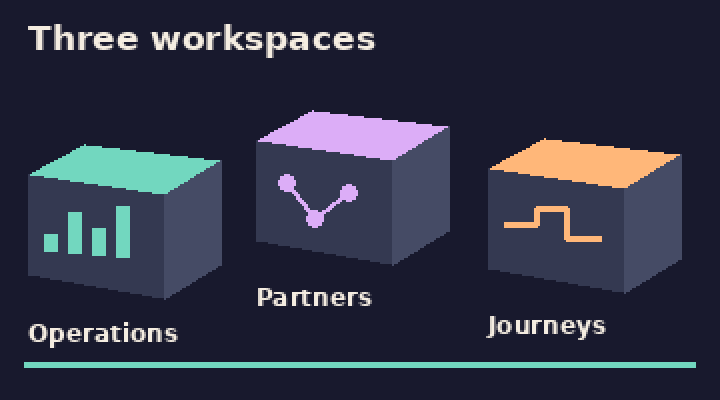
Start from operations. Find partner-specific work. Open the journey workspace.
Give modules a common vocabulary
Shared patterns can carry navigation, terminology and states across the platform, while partner tasks retain their own context. The design-system work connected the module-level screens to that common foundation. A walkthrough could begin in the overview and follow one authentication or messaging task into the relevant area.
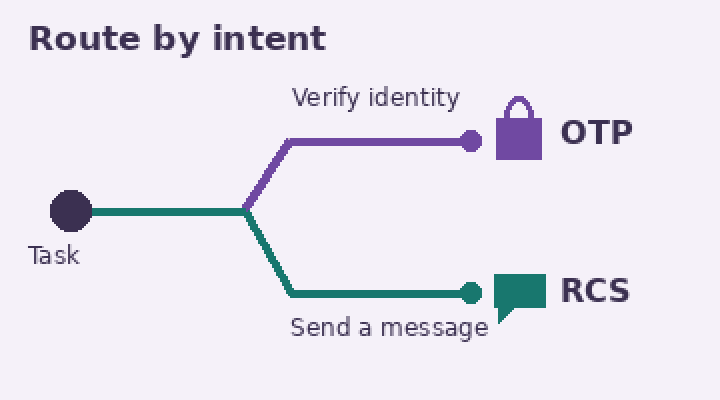
Identify a verification task. Follow the authentication route. Use a distinct messaging route.
Design decisions
- Industry buyer
- Explain the capability through a sector-specific need.
- Partner
- Provide a distinct route to partner information and work.
- Operator
- Carry context from the Command Centre into the appropriate module.
Outcome
The work connected the commercial website to a reviewable product architecture, with journeys, wireframes, high-fidelity UI and shared standards for three named modules.
What I would measure next
Evaluate the two workstreams separately: can buyers explain the relevant offer, and can operators reach the correct module for a task?